

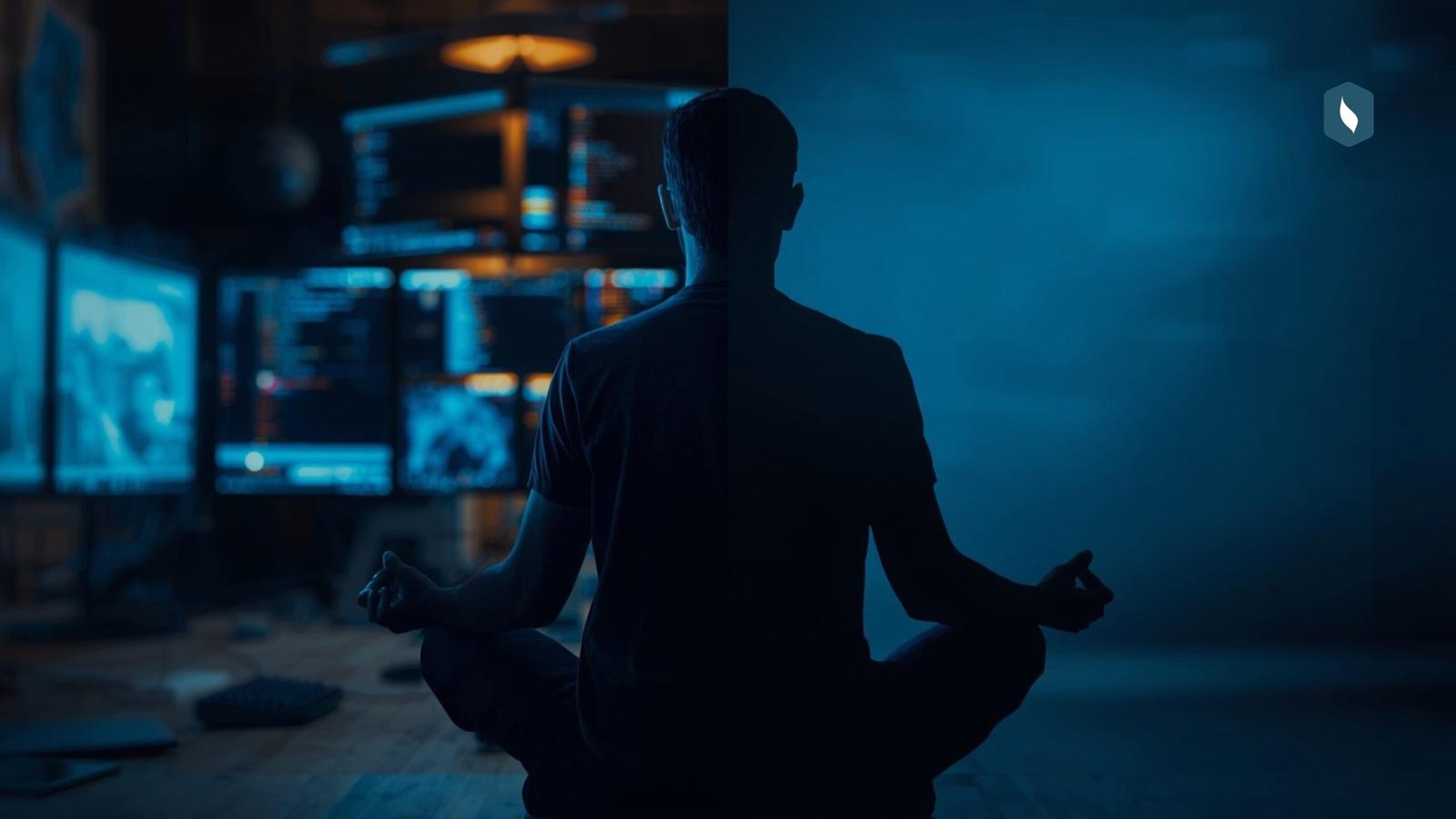
Burnout Symptoms Are Not Just About Feeling Tired
Most people think burnout symptoms look like extreme exhaustion.
They don’t always.
Many people experiencing burnout are still functioning.
Still meeting deadlines.
Still showing up every day.
But internally, something has shifted.
Burnout symptoms are not just about doing too much.
They are a result of the nervous system staying activated for too long, without adequate recovery.
The Nervous System Behind Burnout Symptoms
The human body is designed to move between two states:
Activation → focus, action, performance
Recovery → repair, digestion, restoration
Burnout symptoms begin when this natural rhythm is disrupted.
Chronic stress keeps the sympathetic nervous system—the body’s alert system—constantly active. Over time, the body loses its ability to shift into recovery mode.
According to the World Health Organization, burnout is a syndrome resulting from chronic workplace stress that has not been successfully managed.
Workplace research across India shows that over 50–60% of professionals report experiencing burnout symptoms, driven by long working hours, digital overload, and lack of recovery time.
The issue is not effort.
It is incomplete recovery.
Common Burnout Symptoms in the Body and Mind
Burnout symptoms often appear gradually and across multiple systems.
Physical Burnout Symptoms
• constant fatigue even after sleep
• tight shoulders or jaw tension
• headaches or digestive discomfort
• shallow or irregular breathing
These symptoms are linked to prolonged stress hormone activity and reduced physical recovery.
Mental Burnout Symptoms
• brain fog and reduced clarity
• difficulty focusing
• overthinking or mental fatigue
• slower decision-making
Chronic activation affects cognitive function and reduces mental efficiency.
Emotional Burnout Symptoms
• irritability or low patience
• feeling disconnected or numb
• lack of motivation
• reduced sense of satisfaction
Why Burnout Symptoms Don’t Improve With Rest Alone
Burnout symptoms are not just stress—they often reflect emotional withdrawal and nervous system overload.
One of the most misunderstood aspects of burnout symptoms is this:
Rest alone does not always fix them.
You may take time off, sleep more, or reduce workload—yet still feel restless, fatigued, or mentally active.
This happens because the nervous system has not yet relearned how to shift out of activation.
When the body is conditioned for constant alertness, stillness can feel unfamiliar.
Recovery must be trained—not assumed.
A Simple Way to Reduce Burnout Symptoms: Jaw Release Practice
One of the most overlooked areas of stress is the jaw.
When the nervous system is activated, the jaw often remains subtly clenched.
Try this simple practice:
• gently part your lips
• let your tongue rest at the bottom of your mouth
• allow the jaw to soften completely
Hold this for 30–60 seconds.
Releasing tension in the jaw sends a signal of safety to the brain and can begin reducing burnout symptoms by shifting the nervous system toward recovery.
Burnout Recovery Requires Nervous System Regulation
Burnout symptoms are not a failure of discipline or resilience.
They are signals that the body has remained in a state of activation for too long.
Recovery depends on retraining the nervous system to move between effort and rest.
Practices such as breathwork, restorative yoga, sound-based relaxation, and guided deep rest support this shift by helping the body experience safety again.
At Idhya, this understanding shapes how recovery spaces are designed. Saturdays are structured as dedicated reset environments—with guided breath and chanting sessions, restorative yoga, and sound immersion—to help the nervous system gradually return to balance.
Because the nervous system does not recover by accident.
It recovers through repetition.
References
World Health Organization. Burnout as an occupational phenomenon.
McKinsey Health Institute. Workplace mental health insights.
Boston Consulting Group (2024). Burnout trends in India.