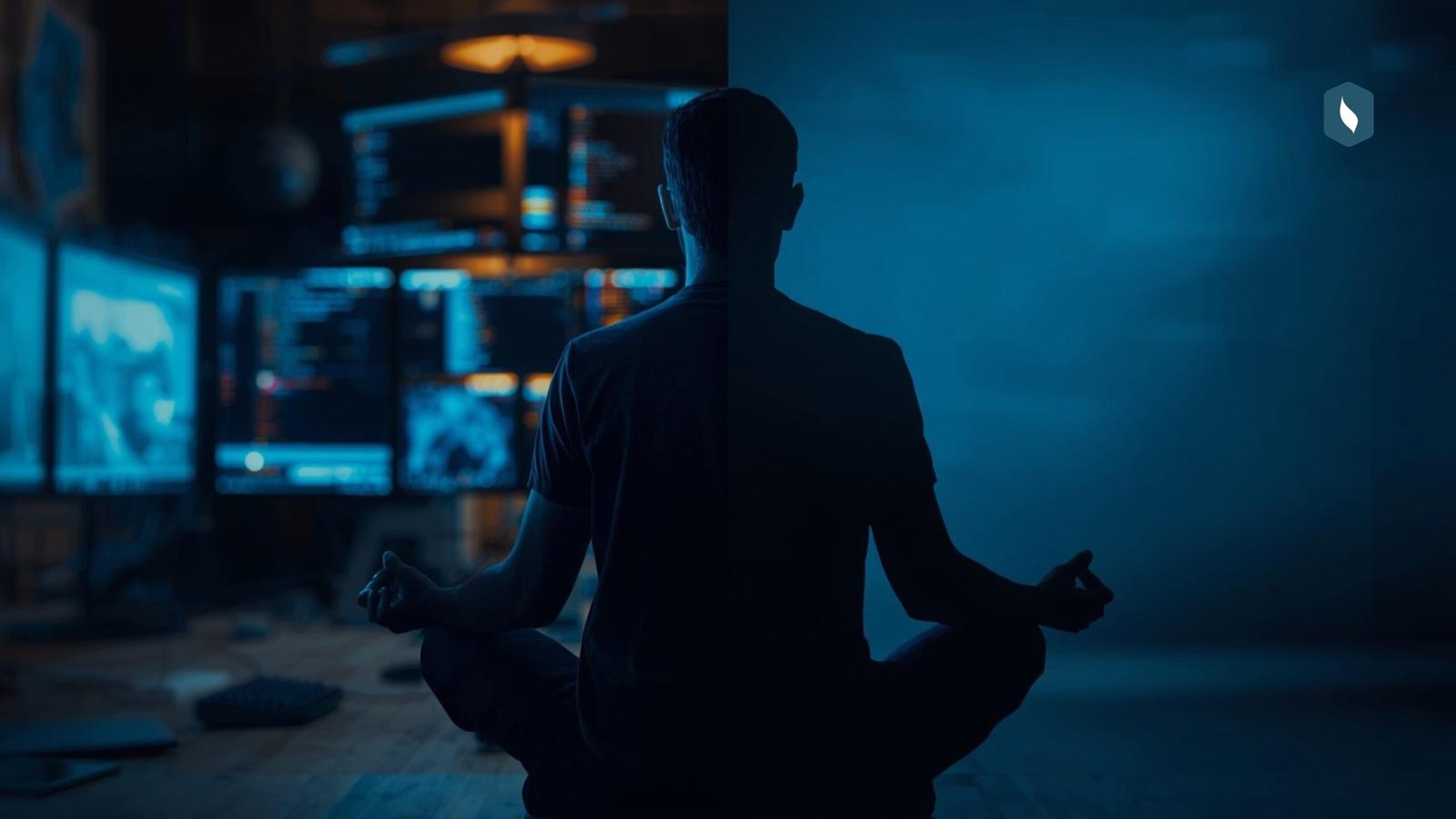


A reflection on modern life, energy, and practical ways to restore balance
Understanding Burnout
Burnout quietly affects more of us than we realize. We function but are not fully present. We do, but we are not being. We give more than we receive, and eventually, our energy signals that something needs to change.
From an Ayurvedic perspective, this is a depletion of inner reserves — a natural warning that mind and body are out of sync. Burnout is not weakness; it is a signal that our pace and rhythm are misaligned.
Recent research shows burnout is particularly high among younger generations. Over 70% of Millennials and Gen Z workers report emotional exhaustion, and students, caregivers, and healthcare professionals experience similar patterns of chronic stress (GlobeNewswire, 2025; BMC Psychology, 2025).
Why Burnout Is Rising
Modern life encourages constant doing:
- Waking tired and living on adrenaline
- Multitasking and overthinking
- Emotional exhaustion
- Little or ineffective movement
Humans are built for rhythms of doing and being. Overdoing without restoration strains the body, mind, and nervous system. Even post-pandemic, burnout remains high in high-stress roles and among younger adults balancing hybrid work and academic pressure (Ovid, 2025; Arxiv, 2024).
How Burnout Manifests
Signs of burnout include:
- Low energy despite rest
- Irritability and difficulty focusing
- Emotional heaviness
- Tension in chest, jaw, or gut
- Mental chatter that doesn’t stop
- Feeling unseen or unappreciated
Ancient texts call this “prāṇa-apāna virodha” — a conflict in internal energy flows that leaves us fragmented and exhausted.
Practical Ways to Work With Burnout
Burnout is a signal, not a verdict. Here are practical tools to restore balance:
1. Rest Intentionally
Even brief, structured pauses rebuild energy and calm the nervous system (Springer, 2025).
2. Use Breath as a Tool
Simple breath practices — noticing and lengthening your exhale — help calm the mind and reconnect with the body.
3. Move Mindfully
Gentle movement, stretching, or restorative yoga releases tension, stabilizes energy, and balances giving and receiving.
4. Align With Natural Rhythms
Regular sleep, mindful eating, and listening to your body’s cues support sustained energy and resilience.
The Takeaway
Burnout is not failure — it is a signal to pause, recalibrate, and rebuild. Anyone can experience it: students, young professionals, caregivers, healthcare workers, or those juggling multiple responsibilities.
By resting intentionally, using breath, moving mindfully, and aligning with natural rhythms, we can restore balance and resilience. Burnout becomes a threshold for renewal, not a permanent state.
At Idhya, we see burnout as a signal. We work with it through rest, breath, and gentle movement — simple tools to restore balance and energy.
It is not self-care — it is self-restoration.
It is not indulgence — it is alignment.
It is not optional — it is essential.