
Try doing nothing for ten minutes.
Not meditation. Not reading. Not listening to music. Not taking a “mindful walk.” Not even deliberately trying to relax.
Just nothing.
It sounds ridiculously easy.
Until you actually try it.
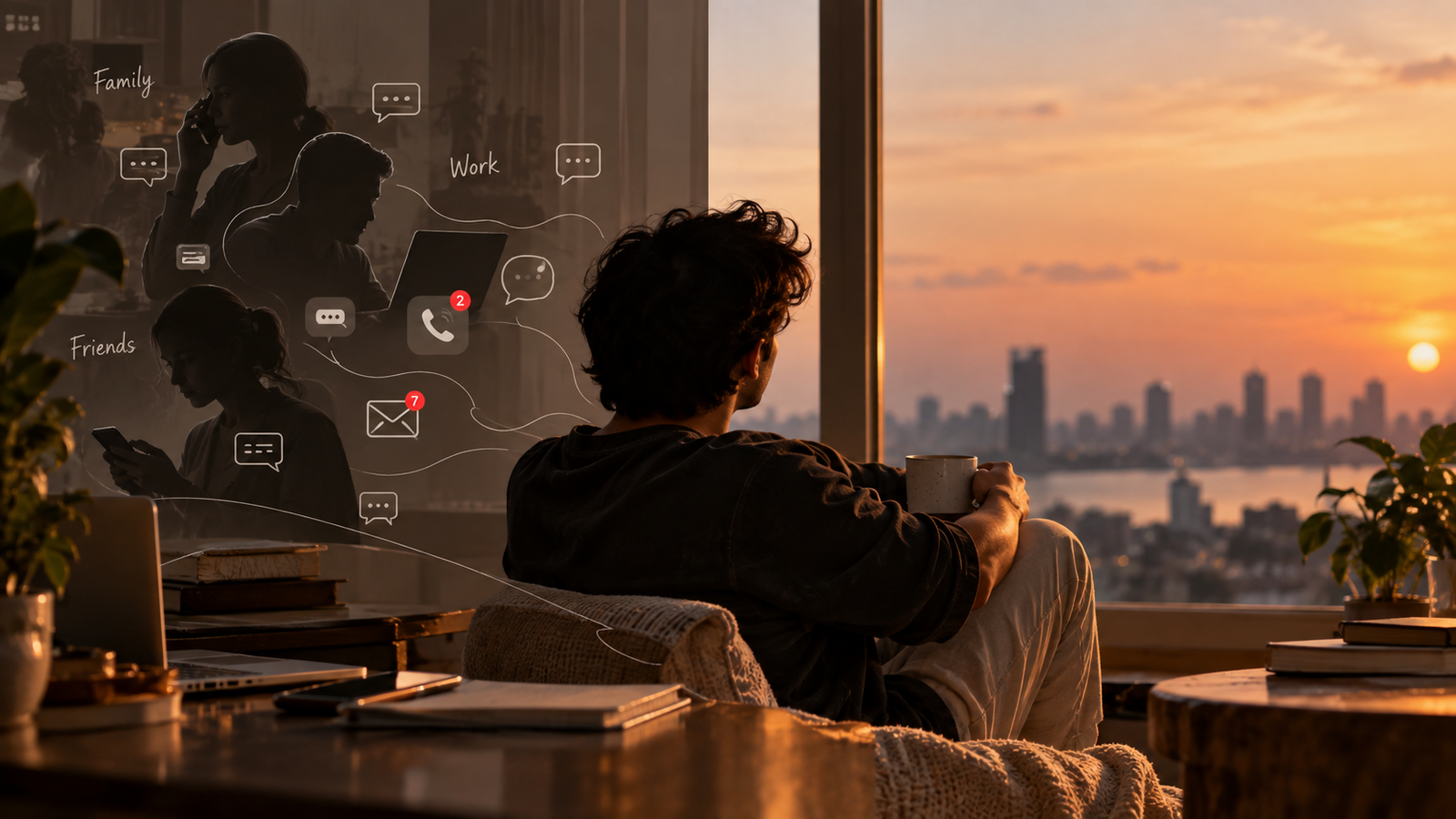
Within a few minutes, the mind starts offering suggestions.
Maybe I should reply to that message. Let me quickly check something. I could make tomorrow’s list. Perhaps I’ll just see what’s happening on Instagram.
We reach for something almost automatically.
And I’ve started wondering when doing nothing became so difficult.
Think about how many moments in the day used to contain nothing.
Waiting for someone. Sitting in a taxi. Standing in a queue. Eating alone. Walking somewhere. The few minutes before a meeting begins. Lying in bed before falling asleep.
Most of those spaces can now be filled instantly.
We scroll. We listen. We watch. We respond. We consume.
There is almost always somewhere else our attention can go.
And none of these things is necessarily bad.
The strange part is how quickly they have become automatic.
We don’t always choose to pick up the phone because there is something we particularly want to see.
Sometimes we simply don’t know what else to do with the empty moment.
Perhaps the most interesting thing is that we have even learned to optimise rest.
We don’t just walk. We listen to a podcast so we can learn something while walking.
We don’t simply sit quietly. We meditate.
We don’t doodle. We practise creativity.
We don’t sleep. We track the quality of our sleep.
Even doing nothing has been turned into something that should somehow make us better.
Calmer. Healthier. More focused. More productive.
There is always an outcome.
And perhaps that is why genuine idleness can feel strangely uncomfortable.
There is nothing to show for it.
No achievement. No improvement. Nothing completed.
Just ten minutes that existed and then disappeared.
There may be another reason we avoid empty space.
When the noise disappears, we start noticing things.
A thought we have been postponing. How tired we actually are. Something that has been bothering us. An emotion we haven’t had time to name.
Or sometimes nothing dramatic at all.
Just ourselves.
And perhaps being alone with ourselves without entertainment, work, conversation or distraction is something many of us simply don’t practise very often anymore.
It can feel unfamiliar.
Unfamiliar things often feel uncomfortable before they feel peaceful.
I sometimes wonder what we have lost by removing boredom from our lives.
Boredom used to have to resolve itself.
You stared out of the window. You noticed people. You rearranged something. You daydreamed. You thought of an idea. You called someone.
Or eventually, you simply became comfortable with having nothing particularly interesting happen.
Today we can escape boredom within seconds.
And perhaps in doing that, we also lose the strange places boredom sometimes took us.
Not every thought needs stimulation.
Not every moment needs content.
Not every pause needs purpose.
Even saying “learn to do nothing” feels slightly wrong.
Because then we have turned it into another skill.
Something to practise. Something to become good at. Something else to achieve.
Perhaps the invitation is much smaller.
Leave a few spaces unfilled.
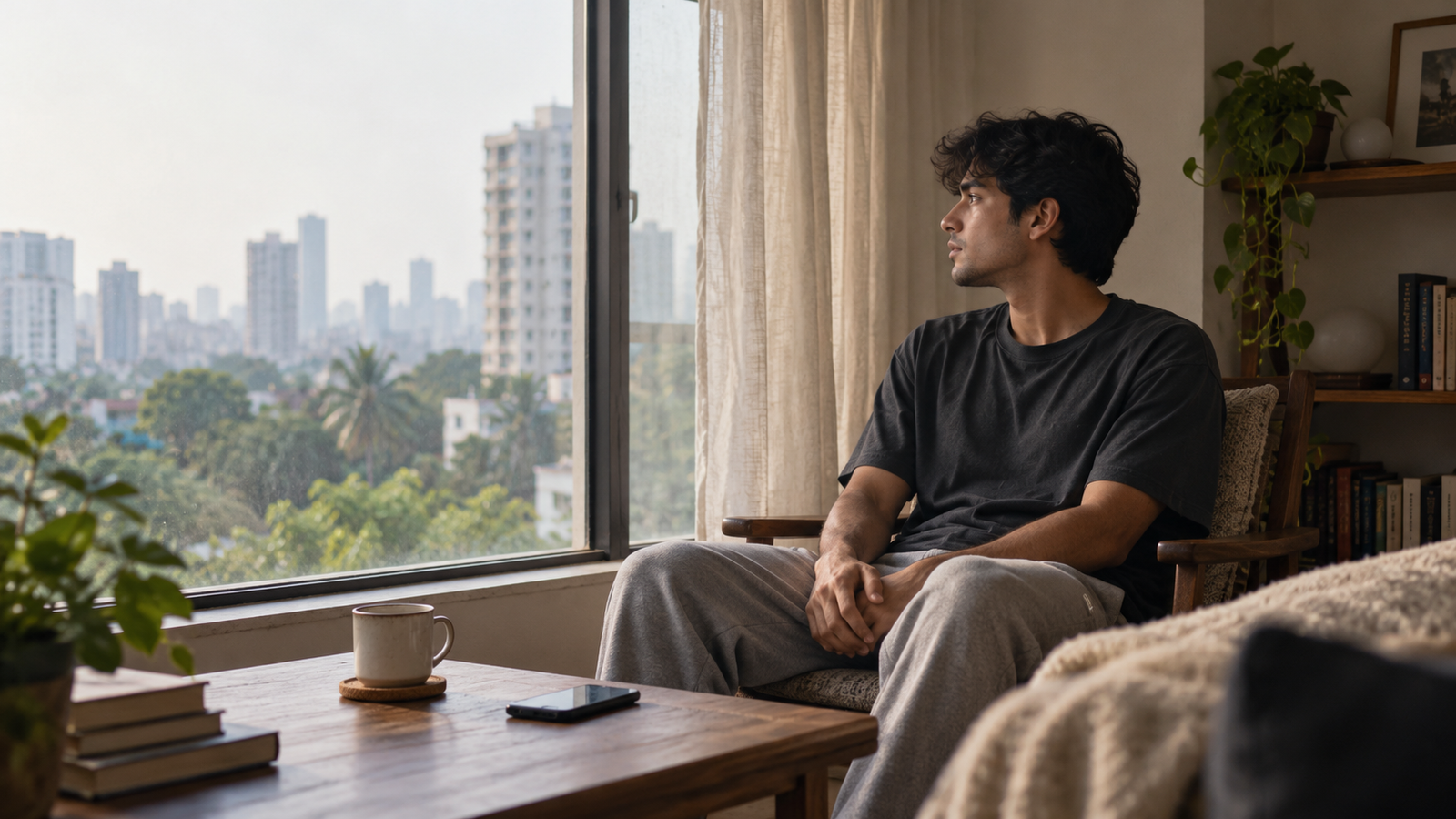
Drink the tea without reaching for the phone. Walk around the block without putting anything in your ears. Sit for five minutes before turning the television on. Look out of the window while waiting instead of automatically looking down at a screen.
Not because it is good for us.
Not because research says we should.
Not because we are trying to become calmer people.
Simply because every empty moment doesn’t need to be occupied.
There is something almost rebellious about that now.
A few minutes with nothing coming in. Nothing being produced. Nothing being answered. Nothing being improved.
Just a small piece of time that doesn’t have to become anything.
Maybe doing nothing feels uncomfortable because we have become unfamiliar with it.
And perhaps we don’t need to conquer that discomfort.
We just need to stop filling it quite so quickly.